Which Is Better: Cellular Shades or Blinds?
News Details
Choosing between cellular shades and blinds depends on what you need from your windows. Both can control light and provide privacy. However, they differ in design, insulation, cleaning, and overall look.
Cellular shades are made from folded fabric with honeycomb-shaped pockets. Blinds usually use horizontal or vertical slats made from materials such as wood, faux wood, or aluminum.
So, which one is better? The right choice depends on your room, window, and daily needs.
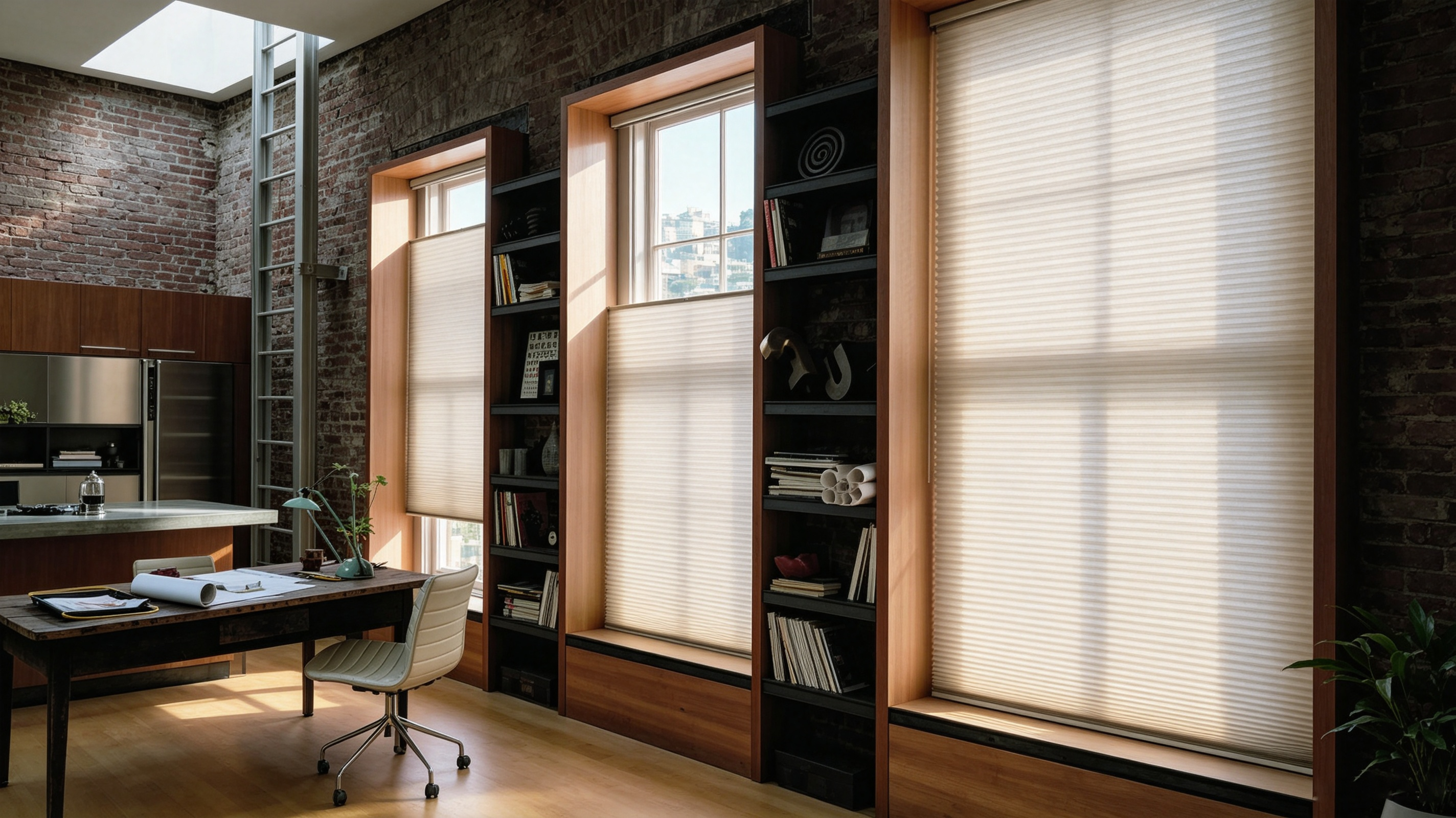
What Is the Difference Between Cellular Shades and Blinds?
The main difference is how they are built.
Cellular shades use layers of fabric that form air pockets. These pockets can help reduce heat transfer through the window.
Blinds use slats that can tilt to control light and privacy. Because the slats can be adjusted at different angles, blinds give you direct control over the amount of light entering the room.
In simple terms, cellular shades focus more on soft light control and insulation, while blinds offer a classic look and precise slat adjustment.
Cellular Shades vs Blinds: Which Controls Light Better?
Both can provide good light control, but they work in different ways.
Cellular shades can filter sunlight or block most light when made with blackout fabric. Their continuous fabric surface also creates a softer appearance.
Blinds let you adjust the angle of each slat. This allows you to direct sunlight and control the view more precisely.
For bedrooms, blackout cellular shades can be a strong choice. For living rooms and offices, blinds can be useful when you want to adjust the direction of sunlight.
Faux Wood Blinds vs Cellular Shades: Which Is Better?
Faux wood blinds and cellular shades are both popular, but they have different strengths.
Faux wood blinds have a solid, wood-like appearance. They are durable, easy to clean, and work well with traditional and modern interiors.
Cellular shades have a softer fabric look. Their honeycomb structure can also help improve insulation around windows.
Choose faux wood blinds if you prefer a classic look and easy cleaning. Choosecellular shades if comfort, soft light, and insulation are more important.
Are Cellular Shades Better Than Blinds for Insulation?
In many cases, cellular shades can provide better insulation than standard blinds.
Their honeycomb structure creates air pockets between the window and the room. These pockets can help slow heat transfer.
This can be useful in both hot and cold weather. During summer, cellular shades can help reduce heat from strong sunlight. During winter, they can help reduce heat loss through the glass.
However, actual performance depends on the fabric, window, installation, and overall room conditions.
Are Cellular Shades Better Than Blinds for Privacy?
Both can provide privacy.
Cellular shades create a continuous fabric surface, so there are no open slat gaps. Depending on the fabric, they can provide strong privacy when fully lowered.
Blinds can also provide good privacy when the slats are closed. However, the angle of the slats affects how much can be seen from outside.
For bedrooms and bathrooms, a privacy or blackout cellular shade can be a good option.
Which Is Easier to Clean?
Blinds are often easier to clean because their hard slats can be wiped with a soft cloth.
Cellular shades require a little more care because they are made from fabric. Regular dusting or gentle vacuuming can help remove surface dust.
If the room is exposed to a lot of dust or moisture, consider the cleaning needs of the material before choosing a window treatment.
Which Looks Better: Cellular Shades or Blinds?
This mainly depends on your interior style.
Cellular shades have a soft and simple appearance. They work well in modern, minimalist, and comfortable spaces.
Blinds have a more structured look. Faux wood blinds can add warmth, while aluminum blinds can create a clean and practical style.
For a soft and understated window, cellular shades may be the better fit. For a stronger architectural look, blinds can work well.
Are Cellular Shades Good for Bedrooms?
Yes. Cellular shades are a popular option for bedrooms.
Blackout fabrics can reduce outside light and help create a darker room. At the same time, the honeycomb structure can add insulation around the window.
For bedrooms that receive strong morning or afternoon sunlight, cellular shades can provide both comfort and light control.
Are Blinds Better for Living Rooms?
Blinds can be a good choice for living rooms when you want flexible control over sunlight and views.
You can tilt the slats to reduce glare while still allowing some natural light into the room.
However, cellular shades can also work well if you prefer a softer look and want more insulation.
Therefore, neither option is always better. The best choice depends on the style and function of your living space.
How Do You Choose Between Cellular Shades and Blinds?
Start by deciding what matters most.
Choose cellular shades if you want:
- Better insulation
- Soft light control
- Blackout options
- A simple fabric look
- A comfortable feel
Choose blinds if you want:
- Adjustable slats
- Easy surface cleaning
- A classic window look
- Precise light direction
- Wood, faux wood, or metal options
Also consider the window size, room use, sunlight, privacy needs, and budget.
Are Cellular Shades Better Than Blinds Overall?
There is no single winner.
Cellular shades can be better when insulation, soft light, and comfort are your main goals. Blinds can be better when you want adjustable slats, easy cleaning, and a more structured look.
For this reason, the best window treatment is the one that matches your space and daily needs.
Whether you choose cellular shades, faux wood blinds, or another style, both options can provide practical light control and privacy while improving the overall look of your windows.


