What Are the Best Cellular Shades for Your Windows?
News Details
The best cellular shades can make a room more comfortable while giving you better control over light and privacy. Also called honeycomb shades, they use a unique folded design that creates air pockets inside the fabric.
These pockets can help reduce heat transfer through windows. At the same time, the simple fabric design gives your room a clean and soft look.
However, the best option depends on your window, room, light needs, and preferred style.
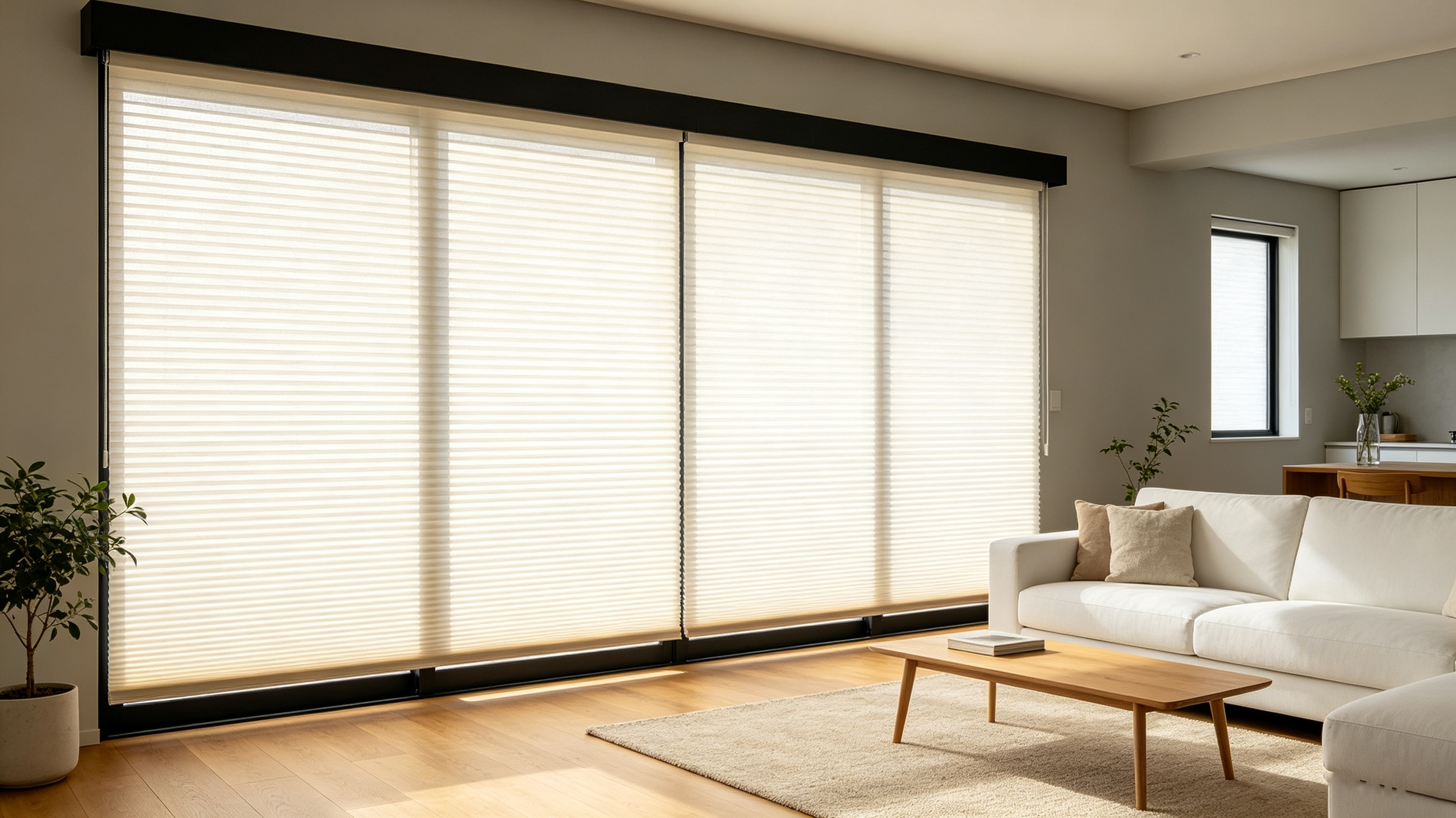
What Are the Best Honeycomb Blinds?
The best honeycomb blinds should offer a good balance of light control, insulation, privacy, and easy operation.
Look for a cellular structure that fits your climate and window. A single-cell design can work well for basic needs, while double-cell designs can provide more layers of insulation.
You should also consider the fabric. Light-filtering fabrics are useful for living spaces, while blackout fabrics are often better for bedrooms.
Finally, choose a system that fits your window size and daily use.
What Are the Best Cellular Shades?
The best cellular shades are not the same for every room.
For a bedroom, blackout cellular shades can help reduce outside light and create a darker space.
For a living room, light-filtering cellular shades can soften sunlight while keeping the room bright.
For an office, a fabric that reduces glare can make screens easier to view.
Therefore, think about how you use the room before choosing a shade.
What Are the Best Cellular Blinds?
The best cellular blinds should combine practical performance with a clean appearance.
When choosing cellular blinds, consider:
- Cell structure and insulation
- Light-filtering or blackout fabric
- Privacy level
- Window size
- Manual or motorized operation
- Color and fabric style
For large windows, motorized cellular blinds can make daily operation easier. For smaller windows, a simple cordless design may be enough.
What Are the Best Honeycomb Shades for Bedrooms?
Bedrooms often benefit from blackout honeycomb shades.
The honeycomb structure can help with insulation, while blackout fabric can block a large amount of outside light.
This combination can also help create a more comfortable sleeping environment.
For bedrooms with strong morning sunlight, choose a shade with strong light-blocking performance. If some daylight is preferred, a light-filtering fabric may be a better choice.
What Are the Best Cellular Shades for Living Rooms?
Living rooms usually need a balance of natural light, privacy, and comfort.
Light-filtering cellular shades are a good option because they soften direct sunlight without making the room completely dark.
They also have a simple fabric appearance that works well with modern and traditional interiors.
For rooms with large windows, consider wider shades or motorized operation for easier use.
What Are the Best Cellular Blinds Brands?
When comparing the best cellular blinds brands, do not focus only on the brand name.
Instead, compare the features that matter for your space.
A reliable brand should offer good fabric quality, accurate sizing, smooth operation, and clear installation support.
It is also useful to check whether the brand offers different cell sizes, light-control levels, colors, and control options.
For custom windows, a supplier that provides made-to-measure cellular blinds can be more useful than one that only offers standard sizes.
Are Cellular Shades Good for Insulation?
Yes. Insulation is one of the main reasons people choose cellular shades.
The honeycomb design creates air pockets within the shade. These pockets can help slow heat movement through the window.
This can be useful in both hot and cold weather. However, the actual result depends on the shade design, window type, installation, and room conditions.
For better insulation, look for a suitable cell structure and make sure the shade fits the window well.
Are Blackout Cellular Shades Better Than Light-Filtering Shades?
Neither is always better. It depends on the room.
Blackout cellular shades are better when you want stronger darkness and privacy. They are especially useful in bedrooms and media rooms.
Light-filtering cellular shades are better when you want natural light while reducing glare.
If you need flexibility, consider using different fabrics in different rooms rather than choosing one type for the entire home.
Are Cellular Shades Easy to Use?
Yes. Cellular shades are available with several operating options.
Cordless shades provide a clean look and are easy to raise and lower by hand.
Motorizedcellular shades are useful for large, tall, or hard-to-reach windows. They can also make it easier to control several windows at the same time.
The right option depends on the size of your windows and how often you adjust the shades.
How Do You Choose the Best Cellular Shades?
Start with your main needs.
If insulation is important, focus on the cellular structure and fabric construction.
If darkness is important, choose blackout fabric.
If you want natural light, choose a light-filtering option.
Next, measure your windows carefully and consider how the shades will be operated.
Finally, choose a color and fabric that fit your interior.
The best cellular shades are the ones that provide the right mix of comfort, light control, privacy, insulation, and style for your space.


