Motorized Curtains Supplier: Tracks, Remote Control and Smart Scheduling
A sourcing guide for motorized curtain projects: how track type, control layer and scheduling work together, and what to prepare before requesting a system proposal.
2026/11/12
Reading volume: 0
News Details
Components of a Complete Motorized Curtain System
A motorized curtain is not a regular curtain with a motor bolted on. It consists of three interdependent elements: the drive unit, the track it runs on, and the control layer that dictates its operation. If any of the three is misconfigured, the entire system will underperform, and the issues usually only become apparent after installation.
The drive unit determines the maximum fabric weight the system can move and the operating noise level. The track defines the system geometry, supporting straight runs, curved paths or corner turns, as well as how the fabric drapes when stacked. The control layer determines how users interact with the window, via a handset, wall switch, app, voice command or scheduled automation.
Fabrics are selected independently, as sheer materials and heavy blackout fabrics impose drastically different loads on the same motor. For this reason, project buyers achieve better results when they define the system first and select the fabric second, rather than choosing a fabric first and then sourcing a compatible motor.
Selecting a Motorized Curtain Track
Track selection starts with the window dimensions, not the motor catalog. When buyers request an electric curtain track, they generally refer to the same product described with different terms: a track with a drive unit mounted at one end that pulls the curtain along a fixed path. A single straight run across a glazed wall is the simplest installation. L-shaped rooms, bay windows and curved facades require bendable or jointed tracks, and the corner radius must be finalized before production instead of adjusted on site.
Mounting position is equally critical. Ceiling-fixed tracks are ideal for floor-to-ceiling glazing, providing a clean profile with no gap above the fabric. Wall-mounted tracks are the practical choice for ceilings that cannot support fixings or where a recessed cavity is not available. For new builds and renovation projects, a recessed ceiling pocket fully conceals the track, but it must be coordinated with the ceiling design at an early stage, as the pocket depth and wiring position both constrain later installation.
The heading style affects the appearance of the stacked curtain and the amount of wall space it occupies. Wave and ripple headings require tracks that maintain consistent fold patterns, as well as precise fabric calculations; pleated headings are more forgiving for long runs. If the curtain must clear a low windowsill or radiator, the stack width becomes a key design constraint rather than an afterthought.
Finally, fabric weight is a key consideration. Long runs of heavy blackout fabric are the scenario where undersized drive units fail: the motor operates smoothly when new, but struggles after a year of use. The recommended approach is to specify the finished fabric weight per meter and total run length in the inquiry, so the drive unit can be matched to the actual load.
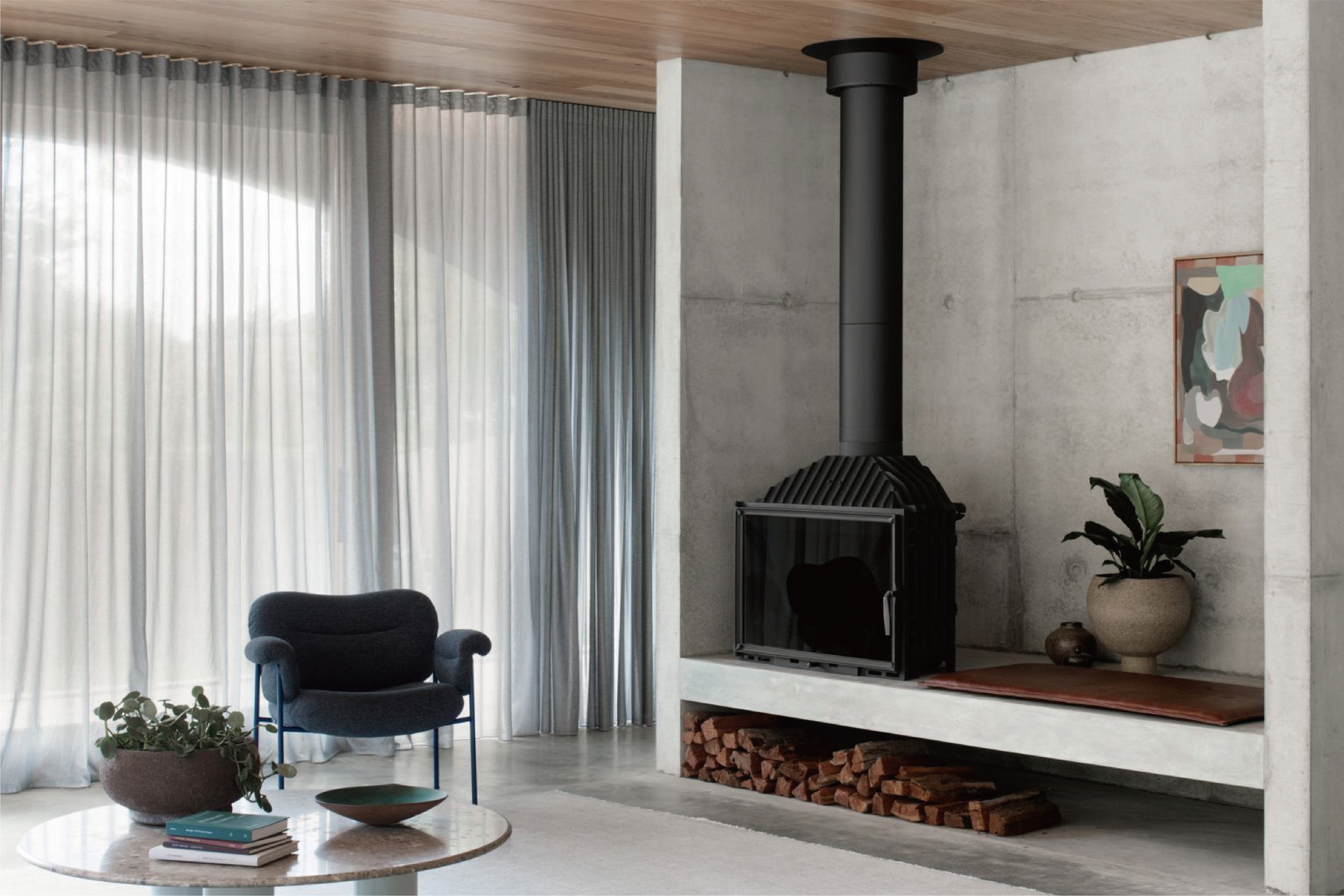
Control Options: Remote, Wall Switch, App and Voice Control
The control layer is where most specification confusion arises, as suppliers use overlapping terminology. It also determines whether a motorized curtain track becomes a system that users actually utilize, as a drive without a practical interface will eventually be operated manually. The key distinction is between local control, which functions without a network, and connected control, which relies on an app, hub or building automation system.
| Control Method | Best Application | Pre-Order Verification Items |
|---|---|---|
| Handset / Remote Control | Guest rooms, meeting rooms, retrofit projects | Number of channels, whether one remote can group multiple windows |
| Wall Switch | Hotel rooms, apartments, staff-managed spaces | Switch position, wiring route, whether it replaces an existing switch plate |
| App and Voice Control | Smart home integrators, serviced apartments | Existing project ecosystem compatibility, whether a hub is required |
| Scheduled and Sensor-Driven Operation | Hotels, offices, large residential developments | Where the schedule is stored, and operation behavior during network outages |
Two practical points should be explicitly listed in specifications. First is noise: in guest rooms or bedrooms, a drive unit that is audible at night is a guaranteed source of complaints, so operating noise should be defined as a core requirement rather than a minor detail. Second is travel range and position memory, as a curtain that stops short of the wall leaves a light gap that cannot be eliminated by any fabric choice.
Smart Scheduling and Hotel Guest Room Scenarios
Scheduling is the feature that distinguishes smart motorized curtains from basic remote-controlled models. A schedule can automatically open curtains to let in morning daylight, close the blackout layer before afternoon sun hits a west-facing facade, and fully close all coverings during turndown service. On a hotel floor, the same logic can operate across dozens of rooms from a single interface, eliminating the need for housekeeping staff to walk the corridor manually.
Guest room installations have additional specific requirements. Curtains must operate quietly, support manual override that staff can use without a mobile phone, and function predictably when guests unplug devices. Grouping is also important: a suite with two glazed walls should operate as a single room scene, rather than four independent motor units.
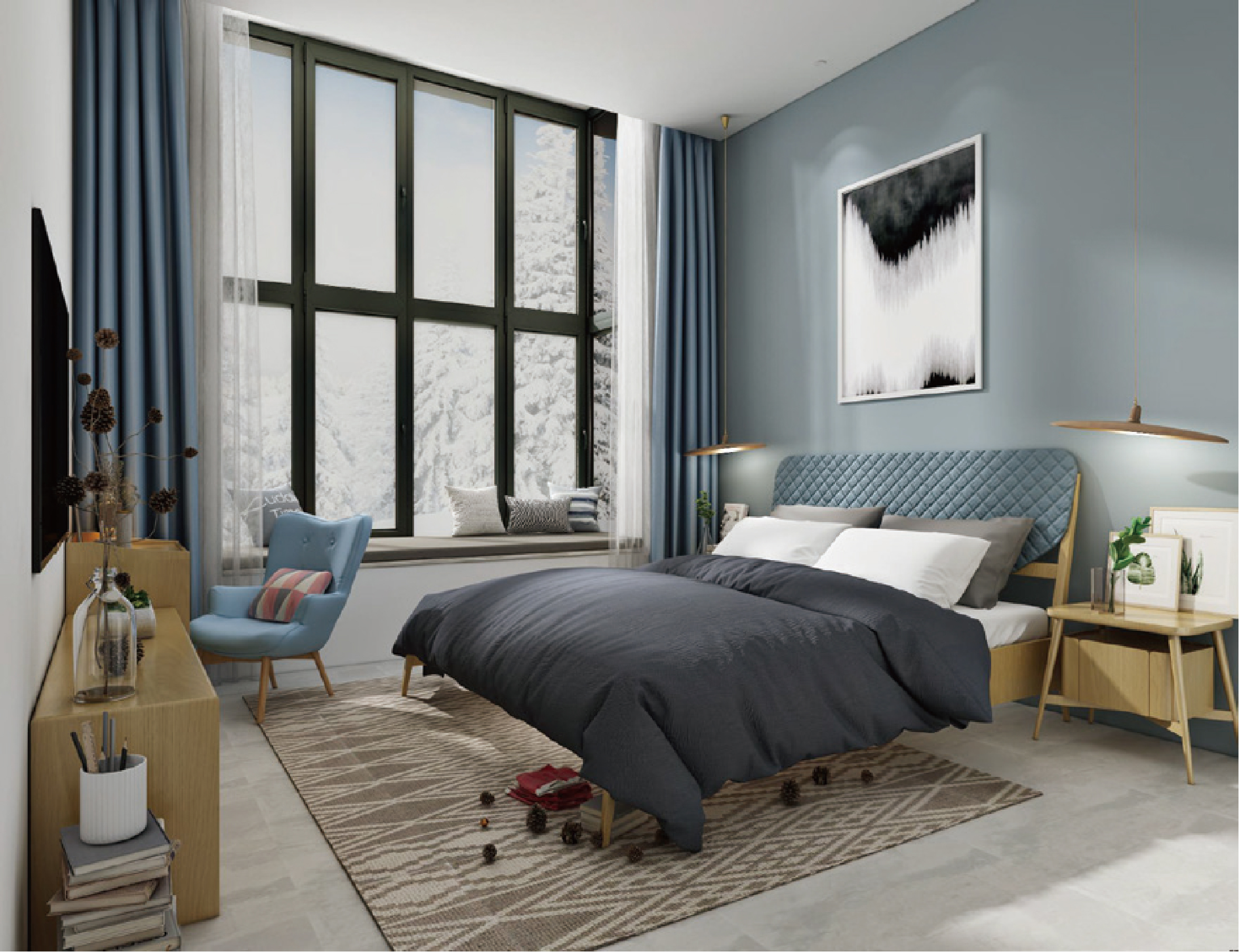
Pairing Motorized Curtains with Motorized Roller Shades
Curtains are not always the optimal standalone solution. For windows that require glare control during working hours and full blackout at night, the common solution is a combined system: motorized roller shades mounted near the glass for daytime light control, paired with a curtain layer for softness, privacy and evening blackout. Both can be motorized and integrated into the same control layer, so staff or occupants use a single interface instead of two separate systems.
This pairing is standard in hotel guest rooms and increasingly common in offices, where roller shades handle screen glare and curtains are retained along the space perimeter. The critical point during specification is the offset between the two layers: the roller shade requires clearance to operate without rubbing the curtain, and the curtain track must be positioned far enough from the glass to avoid trapping heat.
Preparations Before Requesting a System Proposal
A motorized system quote is only as reliable as the information it is based on. Suppliers that receive a complete brief can accurately price the drive unit, track and control components in a single pass; incomplete briefs lead to either overestimated pricing or cost variations later. Prepare the following information before contacting a motorized curtains supplier:
- Window schedule: run length, height and quantity per opening, plus plans or elevations showing corners and curved paths.
- Mounting conditions: ceiling or wall fixing, whether a recessed pocket exists or can be constructed, and power supply availability locations.
- Fabric weight: finished weight per meter for each layer, as this determines drive unit sizing.
- Control requirements: remote, wall switch, app or scheduled operation, and the existing site ecosystem.
- Operating environment: guest rooms, apartments or offices, and whether noise, grouping or manual override are mandatory requirements.
- Project timeline and phasing: delivery dates, floor-by-floor access, and whether installation will take place in occupied rooms.
Working with a Motorized Curtains Supplier
VistaDrape manufactures custom motorized curtains designed for remote operation, with tracks fabricated to match specific window dimensions and fabrics specified per project. For projects that also require daytime glare control, the same inquiry can include motorized roller shades, allowing the two layers to be coordinated rather than sourced separately.
To request system options for a project, send the window schedule, fabric weights and control requirements to the VistaDrape team via the VistaDrape website. Including mounting conditions and site ecosystem details in the initial message is typically what transforms a general price list into an install-ready proposal.
Share to:


