How Do Hotels Choose Window Treatments for Guest Experience?
News Details
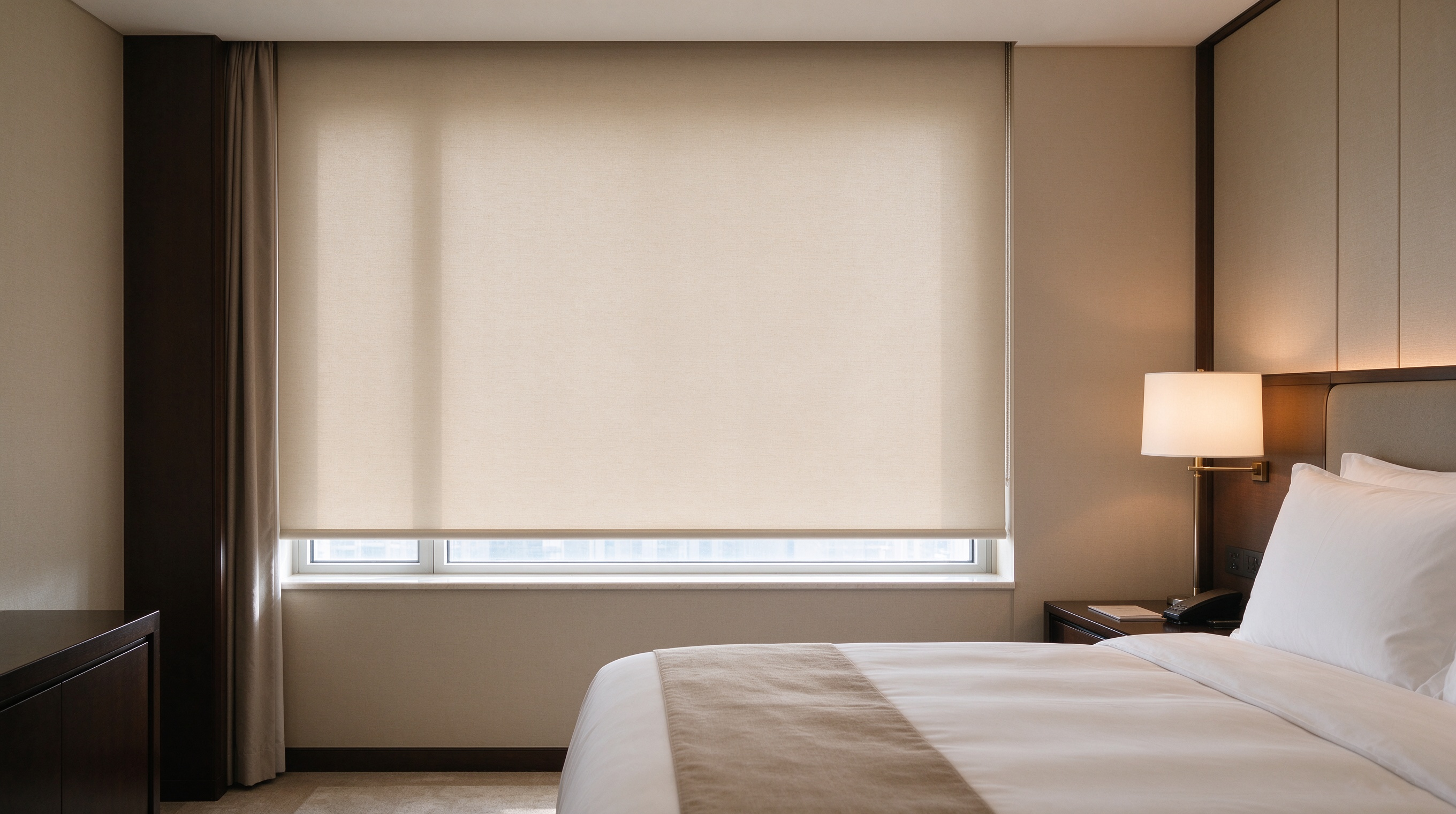
Hotels need more than attractive windows. The right window treatments can improve sleep, privacy, comfort, and the overall feel of a guest room. They also need to meet the practical needs of hotels, from easy operation to long-term durability.
For this reason, hotel window treatments are usually selected by balancing design, function, and daily use.
What Are Hotel Window Treatments?
Hotel window treatments include curtains, blinds, shades, and layered systems designed for guest rooms and other hospitality spaces. They can control daylight, reduce outside light, provide privacy, and support the interior design of a hotel.
Common choices include blackout curtains, sheer curtains, roller shades, commercial blinds, and motorized systems. In many hotels, two or more treatments are combined to give guests better control over light and privacy.
How Do Hotel Window Treatments Improve Guest Comfort?
Guest comfort is one of the main reasons hotels invest in quality window treatments.
First, effective window coverings help guests control the amount of natural light entering the room. During the day, sheer curtains can soften strong sunlight. At night, blackout curtains can create a darker space for better rest.
In addition, window treatments can provide privacy without making the room feel closed off. Guests can enjoy natural light while still having more control over their surroundings.
As a result, a well-designed window treatment system can make a hotel room feel quieter, more private, and more comfortable.
Why Are Blackout Curtains Important in Hotels?
A hotel blackout curtain is especially useful in bedrooms. It blocks most incoming daylight and outside light, helping create a darker environment for sleeping.
This is valuable for guests who sleep during the day, travel across time zones, or prefer a dark room at night. Blackout curtains can also reduce glare from streetlights, signs, and nearby buildings.For hotels, the best blackout solutions should combine strong light control with an attractive appearance. Heavy fabrics, lined drapes, and layered curtain systems are common choices because they provide both performance and style.
What Role Do Hospitality Curtains Play?
Hospitality curtains are designed for environments where appearance and daily performance are equally important.
Unlike curtains used in a typical home, hotel curtains may be opened and closed many times each day. They therefore need to be durable, easy to maintain, and suitable for regular cleaning.
At the same time, curtains contribute to the hotel's visual identity. Fabric texture, color, fullness, and fold style can help create a specific atmosphere, from warm and relaxed to modern and refined.
For this reason, hotels often choose fabrics that look elegant while also meeting practical requirements.
How Do Commercial Blinds Work in Hotel Spaces?
Commercial blinds offer a practical way to control daylight and privacy in hotels. They can be used in guest rooms, offices, meeting rooms, restaurants, and other commercial areas.
Roller blinds are especially popular because they have a clean appearance and can be made in different fabrics. Depending on the material, they can provide light filtering, privacy, or blackout performance.
For busy hotel environments, simple operation is also important. A reliable blind system allows guests and staff to adjust the light quickly without complicated controls.
Should Hotels Use Layered Window Treatments?
Yes. Layering is often one of the most effective approaches for hotel rooms.
A common setup combines a sheer curtain with a blackout curtain or shade. Each layer has a different purpose:
-
Sheer curtains: soften daylight and provide daytime privacy.
-
Blackout curtains: block outside light for sleeping.
-
Roller shades: provide precise light control.
-
Decorative curtains: add warmth and visual character.
Together, these layers give guests more control throughout the day. They can also create a more complete and polished window design.
How Do Hotels Choose the Right Fabric?
Hotels usually consider several factors before selecting curtain fabric.
Durability is important because hotel window treatments receive frequent use. The fabric should maintain its appearance after repeated operation and cleaning.
Light control is another key factor. Bedrooms may require stronger blackout performance, while restaurants and public spaces may benefit from softer daylight.
Appearance also matters. Colors and textures should work with furniture, walls, flooring, and the hotel's overall design concept.
Finally, hotels may consider maintenance and fire-safety requirements when selecting fabrics and finished window treatment systems.
Are Motorized Window Treatments Useful for Hotels?
Motorized window treatments can add convenience and support a more modern guest experience.
With motorized curtains or blinds, guests can adjust the window coverings using a remote control, wall switch, or smart control system. In larger rooms, this can be much easier than manually operating several curtains.
Motorization can also support hotel automation. For example, curtains can be programmed to open gradually in the morning or close at a specific time.
However, the system should remain simple for guests. Easy controls and reliable operation are more important than adding unnecessary features.
What Should Hotels Consider Beyond Guest Rooms?
Window treatments are also important in other hotel spaces.
In meeting rooms, blinds and shades can reduce glare and improve visibility on screens.
In restaurants, curtains can help control sunlight while creating a comfortable dining atmosphere.
In lobbies, decorative curtains can become part of the hotel's visual identity.
In suites and premium rooms, layered or motorized window treatments can provide a more refined experience.
Therefore, hotels should select window treatments based on the function of each space rather than using the same solution everywhere.
How Can Hotels Balance Design and Performance?
The best hotel window treatments combine appearance with practical performance.
A beautiful curtain may not be suitable if it is difficult to operate or maintain. Likewise, a highly functional blind may not work well if it does not match the hotel's interior design.
A balanced approach considers:
-
Light control
-
Privacy
-
Guest comfort
-
Fabric durability
-
Easy maintenance
-
Safety requirements
-
Interior style
-
Operating convenience
-
Long-term value
By considering these factors together, hotels can create window solutions that look good and perform well over time.
What Makes a Good Hotel Window Treatment?
A good hotel window treatment should make the guest experience easier and more comfortable.
It should provide the right level of light control, offer privacy, fit the interior design, and withstand frequent use. At the same time, it should be simple for both guests and hotel staff to operate and maintain.
Whether a hotel chooses blackout curtains, commercial blinds, roller shades, or a layered system, the goal is the same: create a comfortable space that feels thoughtful, functional, and well designed.
For hotels, window treatments are therefore not just decorative elements. They are an important part of the guest room experience.


