How Can Window Treatments Balance Privacy and Natural Light?
News Details
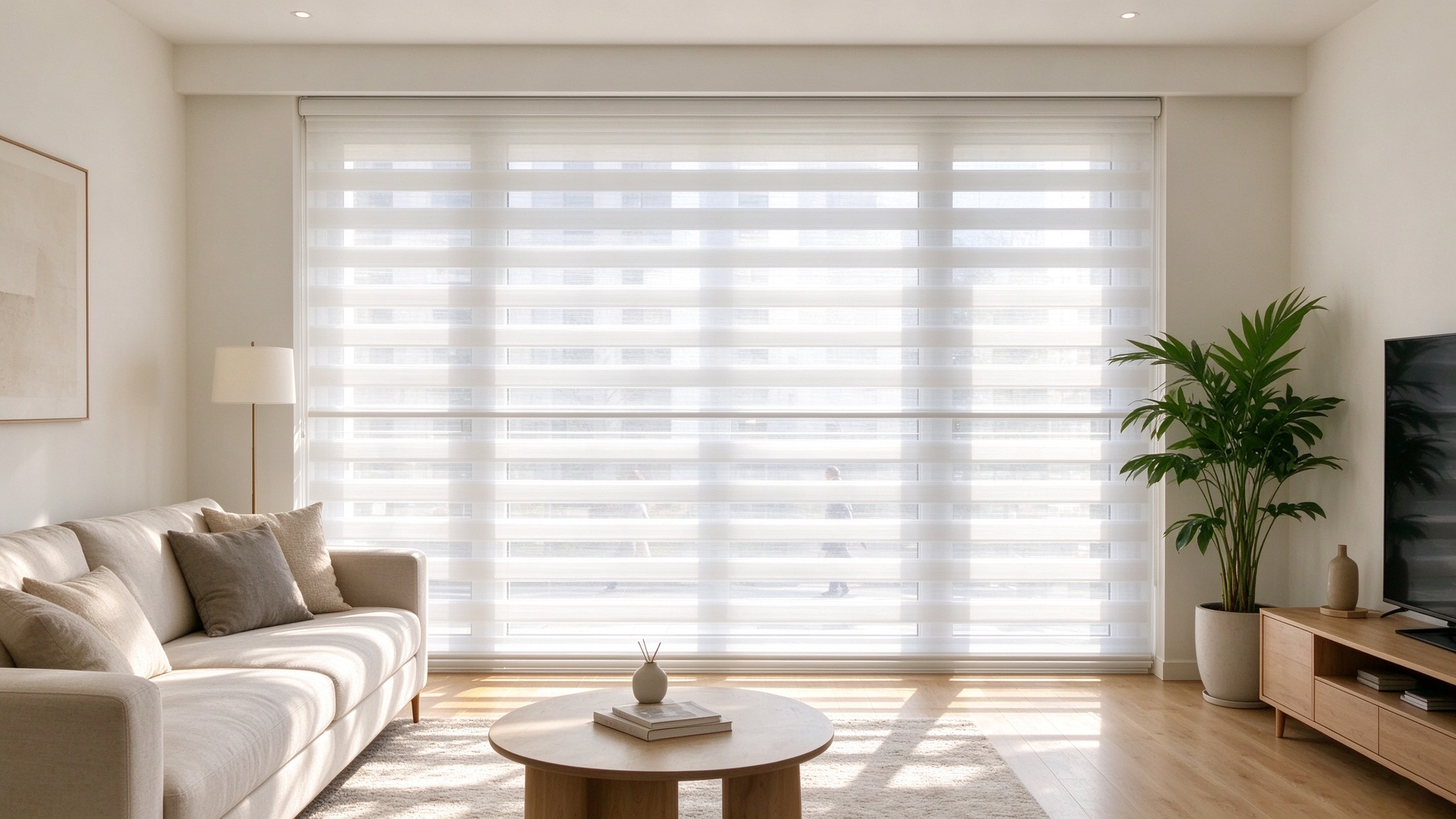
Natural light can make a room feel brighter, warmer, and more open. However, too much sunlight can cause glare and reduce privacy. The right window treatment can solve both problems by controlling daylight without making the room feel dark.
Today, homeowners, designers, hotels, and commercial spaces can choose from many options. The key is to match the window treatment with the room's light and privacy needs.
What Are Privacy Blinds?
Privacy blinds are designed to reduce visibility through windows while still allowing some control over daylight. They are useful in bedrooms, bathrooms, offices, and street-facing rooms where privacy matters.
Depending on the design, blinds can block direct views from outside while allowing filtered light to enter. This makes them a practical choice when a completely dark room is not needed.
For more privacy at night, however, a more opaque material or a layered window treatment may be a better option.
How Do Light Control Shades Manage Daylight?
Light control shades give users greater control over how much sunlight enters a room. Instead of simply opening or closing the window covering, users can choose different levels of light filtering.
For example, light-filtering fabrics can soften strong sunlight while keeping the room bright. More opaque fabrics can provide stronger glare and privacy control.
As a result, light control shades work well in living rooms, offices, bedrooms, and other spaces where natural light needs to be adjusted throughout the day.
What Are Sheer Shades?
Sheer shades combine the soft look of fabric with adjustable light and privacy control. Their layered construction allows users to change the angle or position of the fabric to control incoming light.
During the day, sheer shades can let natural light enter while reducing harsh glare. When more privacy is needed, the shades can be adjusted to limit outside views.
This makes them a good choice for spaces that need both brightness and a softer, more private atmosphere.
How Do Solar Shades Balance Light and Privacy?
Solar shades are made with screen-like fabrics that help reduce sunlight and glare while maintaining an outside view.
They are especially useful for rooms with large windows or strong sun exposure. The fabric can filter bright daylight and reduce glare on screens, furniture, and floors.
However, solar shades do not always provide complete privacy at night. When indoor lights are on and it is darker outside, visibility through the fabric can increase. Therefore, they are often paired with curtains or another privacy layer.
Can Window Treatments Provide Privacy Without Blocking Natural Light?
Yes. The key is choosing the right fabric and opacity.
Light-filtering and sheer materials can allow daylight into a room while reducing direct views. In contrast, blackout materials provide much stronger privacy and light control but allow less natural light through.
Layered window treatments offer another solution. For example, sheer shades can provide daytime light control, while curtains can be closed when stronger privacy is required.
This flexible approach allows the same window to serve different needs throughout the day.
Which Window Treatments Are Best for Daytime Privacy?
For daytime privacy, sheer shades and solar shades are often effective choices.
Sheer shades can soften incoming light while reducing direct visibility. Solar shades can provide a clearer outdoor view while controlling glare and strong sunlight.
Privacy blinds can also work well, particularly when their slats or fabric can be adjusted to control the viewing angle.
The best choice depends on the direction of the window, the surrounding buildings, and how much natural light the room needs.
How Can Window Treatments Improve Comfort?
Good window treatments do more than control privacy. They can also make a room more comfortable.
By reducing direct sunlight, they can help limit glare on televisions and computer screens. They can also soften harsh daylight and create a more comfortable visual environment.
In addition, the right window covering can help protect furniture, flooring, and artwork from prolonged exposure to sunlight.
Therefore, light control is not simply about making a room darker. It is about creating a better balance between brightness, comfort, and privacy.
Should You Combine Different Window Treatments?
In many cases, combining treatments provides the greatest flexibility.
A common combination is a light-filtering shade with decorative curtains. During the day, the shade can soften sunlight while keeping the room bright. At night, the curtains can be closed for greater privacy.
Solar shades can also be paired with blackout curtains in bedrooms. This combination provides daytime glare control and stronger nighttime privacy.
Layering is especially useful in rooms that need to serve different purposes throughout the day.
How Do You Choose the Right Window Treatment?
Start by considering how the room is used.
For a bedroom, privacy and nighttime light control may be the main priorities. For a living room, maintaining natural light and an outside view may be more important. In an office, glare control can be a major concern.
Then consider the window's location, the direction of sunlight, the surrounding environment, and the desired interior style.
A practical choice should balance:
-
Privacy
-
Natural light
-
Glare control
-
Outside views
-
Interior style
-
Ease of operation
-
Long-term durability
What Is the Best Way to Balance Privacy and Natural Light?
There is no single window treatment that works perfectly for every room. Instead, the best solution depends on how much light and privacy the space requires.
Privacy blinds are useful when outside visibility is a key concern. Light control shades offer flexible daylight control. Sheer shades provide a soft balance between light and privacy, while solar shades are particularly effective for glare and strong sunlight.
For greater flexibility, layered window treatments can combine two or more solutions.
Ultimately, the right window treatment should not force you to choose between a bright room and a private one. With the right fabric, opacity, and design, you can enjoy natural light while maintaining the level of privacy and comfort your space needs.


