Are Cellular Shades Beneficial for Energy-Efficient Homes?
News Details
Why Are Cellular Shades Energy Efficient?
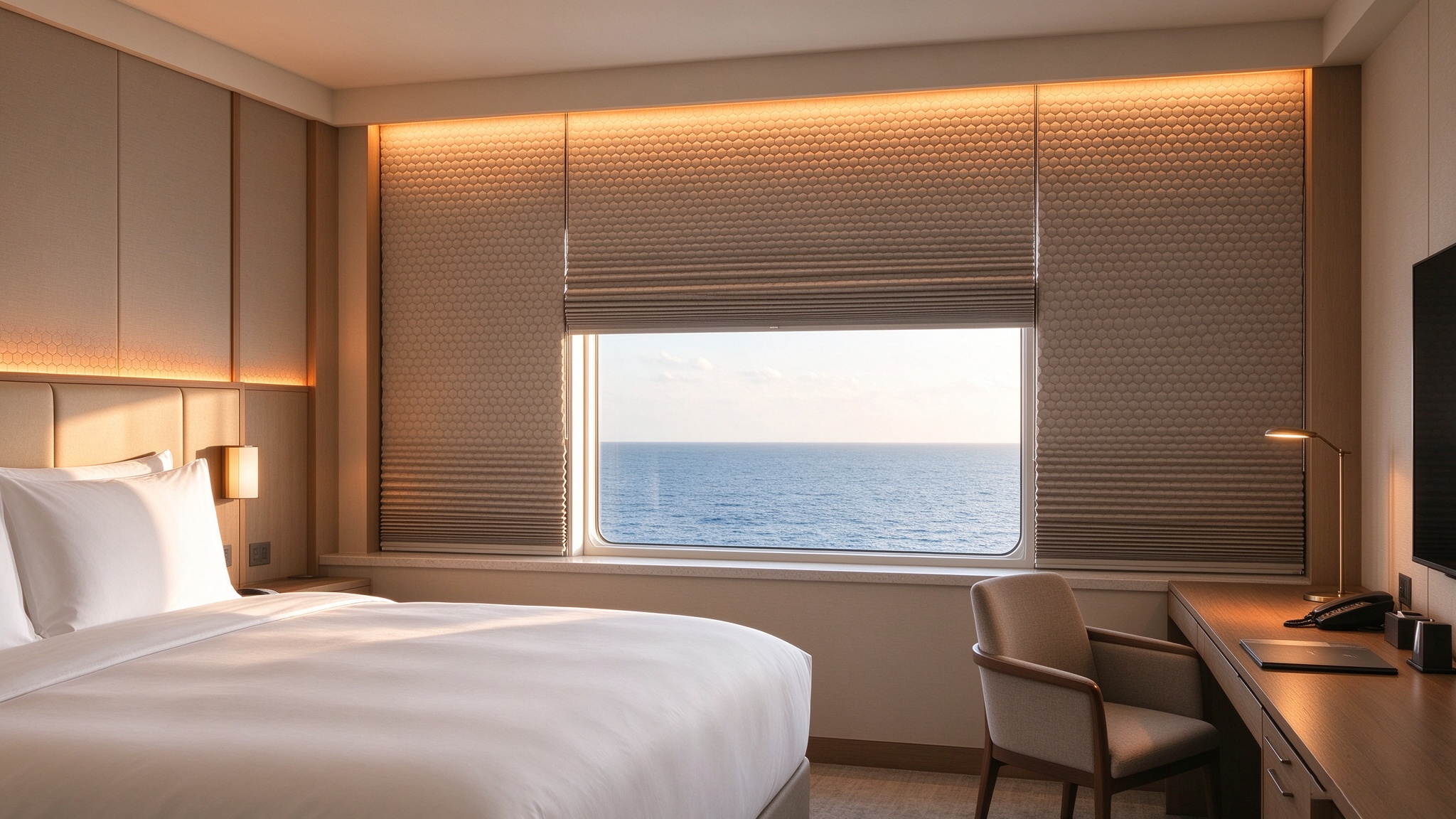
Cellular shades are designed to improve insulation and indoor comfort. Their unique honeycomb structure traps air in small pockets, helping reduce heat transfer through windows.
As a result, they can help keep rooms warmer in winter and cooler in summer. With a clean design and a range of fabric options, cellular shades are suitable for modern homes, hotels, and commercial interiors.
How Do Honeycomb Blinds Improve Insulation?
Honeycomb blinds create an insulating layer between the window and the room. This structure helps reduce heat loss during cold weather and limits unwanted heat gain when temperatures rise.
However, performance depends on the cell design, fabric, window quality, and installation. Choosing the right product and ensuring a good fit can improve overall results.
What Are the Benefits of Cellular Window Shades?
Cellular window shades offer several practical benefits for residential and commercial spaces:
-
Energy efficiency: Help reduce heat transfer through windows.
-
Light control: Available in light-filtering and blackout fabrics.
-
Privacy: Limit outside visibility while maintaining a neat appearance.
-
Versatile design: Suit bedrooms, living rooms, offices, and hotels.
-
Custom options: Available in different colors, sizes, and operating systems.
These features make cellular shades a flexible choice for projects that require both function and style.
Where Do Honeycomb Shades Work Best?
Honeycomb shades can suit different rooms based on their light and privacy needs.
-
Bedrooms: Blackout options help block incoming light and provide privacy.
-
Living rooms: Light-filtering fabrics soften daylight and reduce glare.
-
Home offices: Help manage sunlight and improve screen visibility.
-
Hotels and apartments: Custom sizing creates a consistent look across multiple rooms.
For commercial projects, buyers should also consider fabric durability, cleaning needs, and ease of operation.
How Do Cellular Shades Compare with Other Window Treatments?
Cellular shades stand out because their honeycomb structure helps improve insulation.
-
Roller shades: Offer a smooth, modern look, while standard fabrics may provide less insulation.
-
Venetian blinds: Use adjustable slats to control light direction.
-
Curtains: Add softness and can improve insulation when properly lined.
-
Roman shades: Feature fabric folds for a more decorative appearance.
For added privacy and style, cellular shades can also be paired with curtains.
How to Choose Cellular Shades for Your Project
For residential and commercial projects, consider these key factors before selecting cellular shades:
-
Cell design: Compare single-cell and double-cell options.
-
Fabric type: Choose light-filtering or blackout materials based on room needs.
-
Window measurements: Ensure a proper fit to help reduce gaps.
-
Operating system: Select manual, cordless, or motorized controls.
-
Supplier capability: For bulk orders, review product quality, customization options, lead times, and OEM or ODM services.
For B2B buyers, checking product specifications and insulation performance data can also help ensure the selected shades meet project requirements.
Are Cellular Shades Worth It for Energy-Efficient Homes?
Cellular shades combine insulation, flexible light control, and a clean appearance. Their honeycomb structure can help improve indoor comfort throughout the year, making them a practical option for both residential and commercial spaces.
For homeowners, hotels, developers, and distributors, custom cellular window shades offer a useful balance of performance and design. With the right fabric, cell structure, and installation, they can support energy-saving goals while complementing the interior.


